Top Eco-Friendly Strollers for Sustainable Families
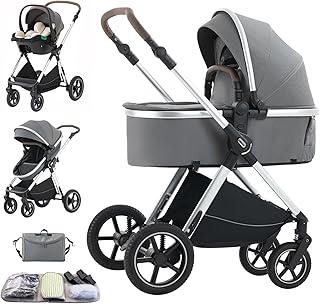
This guide covers the best eco-friendly strollers available for sustainable families looking to make environmentally conscious choices. As parents become more aware of their impact on the planet, selecting a stroller made from sustainable materials and designed for longevity is essential. Eco-friendly strollers not only reduce waste but also often feature innovative designs that cater to the needs of modern families.
This guide is ideal for eco-conscious parents who want to invest in a stroller that aligns with their values. Here, you will learn about key features to look for, such as materials used, weight capacity, and versatility. Expect to find options within various price ranges, ensuring there's something for every budget while prioritising sustainability.
Research Sustainable Materials
Look for strollers made from recycled or organic materials. Fabrics that are free from harmful chemicals and dyes are preferable, as they are better for both your child and the environment.
People Also Look For:
- Stroller Cushion | Protective Cover for Stroller, Reversible Soft Cushion 36 x 64 cm Breathable for All Seasons - Winter Autumn an...
- Baby Stroller 3 in 1 Pram Pushchair Buggy Child Lightweight Folding Stroller 3 in 1 Travel System Pram for Newborns Toddlers 0-36 ...
- Quick-Clip Gloves for Baby Strollers Ensuring Warmth and Comfort Outdoors Kids Mittens
- Baby Buggy Pram Pushchair Stroller 3 in 1 with Car Seat Carrycot Child Lightweight Folding Stroller Travel System Pram for Newborn...
- Cosatto Supa 3 Pushchair with Footmuff – Lightweight Stroller from Birth to 25Kg - Easy, Compact, Umbrella Fold, Large Shop...
Consider Size and Weight
Choose a lightweight stroller that is easy to manoeuvre and transport. Compact designs are not only practical but also often require fewer materials, contributing to their eco-friendliness.
Look for Multi-Functionality
Opt for strollers that serve multiple purposes, such as a travel system that can convert from a car seat to a stroller. This reduces the need for multiple purchases and helps minimise waste.
Prioritise Safety and Durability
Ensure the stroller meets safety standards and is built to last. A durable product will not only be safer for your child but also reduce the environmental impact of frequent replacements.
Set a Realistic Budget
Eco-friendly strollers can vary in price, so determine your budget beforehand. Investing in a higher-quality stroller may save you money in the long run by reducing the need for replacements.
Check for Local Availability
Whenever possible, choose strollers that are produced locally or have minimal shipping requirements. This not only supports local businesses but also reduces the carbon footprint associated with transportation.